Your dog skips breakfast, or your cat suddenly disappears under the bed. One unusual moment does not always mean something serious, but a change in appetite, energy, behavior, breathing, or bathroom habits deserves attention. Good sick pet care starts with noticing what is different and deciding how quickly your pet needs professional help.
If your pet struggles to breathe, collapses, has a seizure, bleeds heavily, or may have swallowed poison, call an emergency veterinarian now. First aid is not a substitute for veterinary treatment; call the clinic as you arrange safe transport.
Table of Contents
When Your Pet Needs Emergency Veterinary Care
Seek immediate veterinary help for breathing trouble, collapse, seizures, severe bleeding, major trauma, or suspected poisoning. Repeated straining to urinate with little or no urine—especially in cats—may signal a life-threatening blockage. For possible toxin exposure, call your veterinarian or an animal poison control center. The FDA warns that many human medicines can harm pets; acetaminophen is fatal to cats.
Describe what happened and follow the clinic’s instructions. Do not induce vomiting or try a home treatment unless a veterinarian or poison-control professional tells you to. If you are unsure, call an emergency clinic and ask what to do. In an emergency, sick pet care starts with getting professional guidance, not guessing.
Signs Your Pet May Be Sick
Look for changes from your pet’s normal routine. These can include eating or drinking much less or more than usual, vomiting, diarrhea, unusual tiredness, hiding, restlessness, coughing, sneezing, or changes in breathing. Pain may show up as limping, reluctance to jump or climb stairs, unusual vocalizing, or avoiding touch.
Note difficulty passing stool, blood in urine or stool, accidents, or repeated litter-box trips. A cat straining to urinate but producing little or no urine may have an emergency blockage. Record what you observe rather than trying to diagnose the cause.

What to Do While You Contact the Vet
A clear, short account helps the veterinary team triage your call. Write down when the change began, how often it has happened, and whether it is getting better or worse. Note your pet’s food and water intake, urination, bowel movements, current medications, known health conditions, and any possible exposure to a toxin or swallowed object.
If poisoning is possible, keep the package, label, or a photo nearby. Tell the clinic your pet’s species and approximate weight, what and how much may have been eaten, and when. The FDA advises calling a veterinarian or poison control promptly. Ask whether to come in and how to transport your pet. Bring records or packaging only if doing so will not delay care.
Sick Pet Care at Home
Home support is appropriate only when it is safe for your pet and consistent with veterinary guidance. Set up a quiet, comfortable resting spot where you can observe your pet. Make water accessible unless your veterinarian has given different instructions. Keep notes on eating, drinking, bathroom habits, energy, and any new symptoms. Sick pet care should support a treatment plan, not replace an examination or diagnosis.
Follow prescriptions exactly. If your pet vomits after medication, refuses a dose, or seems worse, call before changing the plan. Do not stop treatment early or add supplements without approval. Report new or worsening signs promptly.

Caring for a Sick Dog
Give a recovering dog a calm resting place and make bathroom breaks easy. Ask the veterinarian how to help a weak or uncomfortable dog move; avoid handling that may worsen pain. Keep outdoor trips short and supervised, and wait for veterinary advice before resuming strenuous play.
Track food, water, urination, stool, vomiting, and energy. Feed pets separately so you know what the sick dog eats. Caring for a sick dog at home includes following the medication plan and checking with the clinic before changing a dose, form, or diet. Practical sick pet care for dogs also means reporting changes early.
Caring for a Sick Cat
Cats may hide when unwell, so watch for changes in social behavior, eating, drinking, litter-box use, grooming, and movement. Keep food, water, bedding, and a clean litter box easy to reach.
A cat that stops eating needs prompt veterinary advice. Cornell’s Feline Health Center notes that appetite loss can have many causes and seriously affect a cat’s health; consult a veterinarian rather than forcing food. Caring for a sick cat at home means reporting appetite changes and following the care plan. Timely sick pet care is especially important when a cat refuses food.
What Should You Feed a Sick Pet?
No single diet suits every ill dog or cat. Food choices depend on the condition and treatment, so ask your veterinarian before changing the usual diet. Avoid sudden diet experiments, unverified supplements, and rich human foods.
Do not force food or water into your pet’s mouth unless the veterinary team has shown you how and specifically recommended it. For a cat that is refusing food, contact the veterinarian promptly rather than waiting to see whether the problem passes. If your pet cannot keep water down, seems weak, or is getting worse, call the clinic for next steps.
What You Should Never Do When Your Pet Is Sick
•Do not give human medicine or another pet’s prescription unless your veterinarian directs you to. Some common human pain relievers can be harmful to pets, and acetaminophen is fatal to cats.
•Do not use a home remedy, induce vomiting, or start a supplement without professional guidance.
•Do not delay emergency care when severe symptoms appear.
•Do not force food or fluids when your pet is resisting or having trouble swallowing.
•Do not change or stop prescribed medication without asking the veterinary team.
Daily Sick-Pet Care Checklist
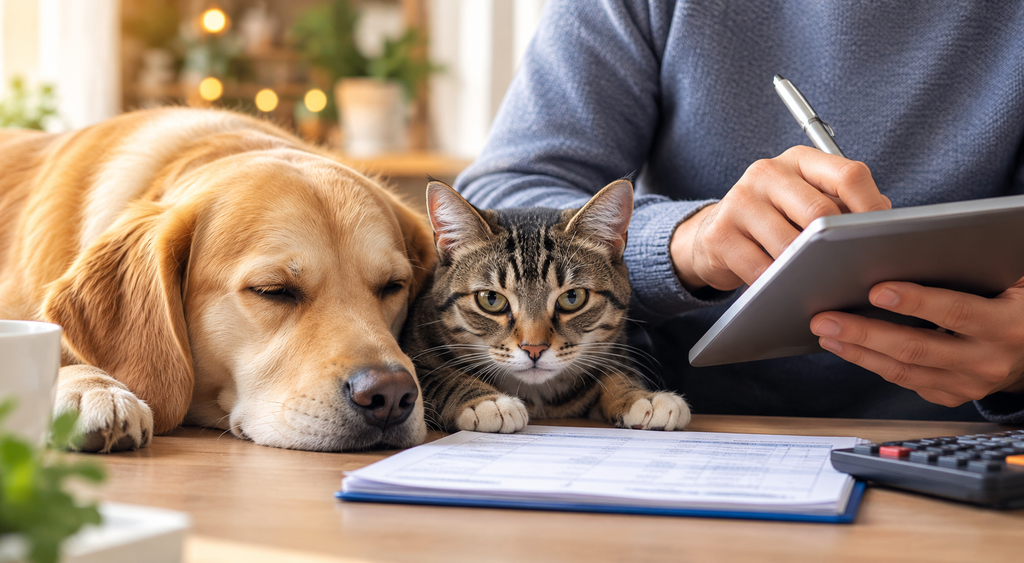
Use a phone note or paper log to record times and changes. Specific notes make sick pet care more organized, but home observation cannot replace medical care.
•Appetite: what and how much your pet ate.
•Water: whether intake seems different from usual.
•Vomiting or stool: frequency and any unusual appearance.
•Urination: frequency, accidents, straining, or difficulty.
•Energy and behavior: activity, hiding, comfort, and response to you.
•Medication: what was given and when, as prescribed.
•New or worsening signs: when they started and what changed.
Call the clinic if you see deterioration or are unsure whether a change matters. Keep emergency contact details easy to find.
Frequently Asked Questions
How can I care for a sick pet at home?
Follow the veterinarian’s plan, provide a quiet resting area, make water accessible when appropriate, and record food, bathroom habits, medication, and symptoms. Sick pet care at home is supportive; it cannot identify the cause of an illness.
How do I know if my pet needs emergency veterinary care?
Trouble breathing, collapse, seizures, severe bleeding, major trauma, suspected poisoning, or repeated straining with little or no urine are reasons to contact an emergency veterinarian immediately.
What can I feed a sick dog?
Ask your veterinarian before changing your dog’s diet. The right food depends on the illness and treatment, and some foods may be unsuitable for a particular condition.
What should I do if my cat stops eating?
Call your veterinarian promptly. Appetite loss can signal an underlying problem, and Cornell advises veterinary assessment rather than trying to force food.
Can I give my sick pet human medicine?
Only if a veterinarian gives specific instructions for that pet. Some human medicines are dangerous to animals, and acetaminophen is fatal to cats.
Final Thoughts
Notice changes, record what you see, and call a veterinarian when symptoms concern you. Seek emergency care for severe warning signs. Calm observation and timely professional advice are the safest foundations of sick pet care.
This article is for general educational purposes and is not a substitute for advice, diagnosis, or treatment from a licensed veterinarian. If your pet may be having an emergency, contact a veterinary clinic or emergency hospital now.