If your cat has persistent itching, overgrooms, develops recurring skin problems, or has frequent vomiting or diarrhea, you may be looking for the best cat food for allergies.
The important thing to know is that there is no single food that works best for every cat. The right diet depends on whether food is actually causing the symptoms, what your cat has eaten before, and your veterinarian’s recommended diet trial.
This guide focuses on cats that may react to ingredients in their food. It does not discuss allergies to cats in people. You’ll learn about hydrolyzed and novel-protein diets, veterinary food options, and how to follow an elimination diet correctly.
Table of Contents
Quick answer: What is the best cat food for allergies?
When a food allergy is suspected, veterinarians commonly use either a hydrolyzed-protein diet or a carefully selected novel-protein diet during an elimination trial.
For many cats with a confirmed food allergy, the best cat food for allergies is a veterinarian-selected hydrolyzed-protein or novel-protein diet.
A prescription veterinary diet is often preferred for diagnosis because ingredient control is important. During the trial, feed only the diet your veterinarian recommends. Treats, table scraps, supplements, and flavored medicines can affect the results.
The best cat food for allergies depends on the diagnosis
Food allergy is only one possible cause of itching and digestive problems.
Fleas, environmental allergies, infections, parasites, and other health conditions can cause similar symptoms. Simply changing foods several times does not confirm a food allergy. It can also make the real cause harder to identify.
A controlled elimination-and-challenge diet trial is commonly used to investigate an adverse food reaction. Blood, saliva, and hair tests should not be used as stand-alone confirmation of a food allergy.
If your cat has ongoing symptoms, start with a veterinary examination instead of relying only on a product labeled “hypoallergenic.”
3 veterinary cat food options to discuss with your vet
The following are examples of U.S. veterinary formulas. They are not ranked, independently tested, or presented as the best choices for every cat.
These are options to discuss with your veterinarian when choosing the best cat food for allergies.
Your veterinarian should decide whether a particular diet is appropriate. Always check the current product label because ingredients and availability can change.
| Veterinary diet | What the manufacturer lists | Why your vet may consider it |
|---|---|---|
| Hill’s Prescription Diet z/d Hydrolyzed Chicken | The U.S. dry formula lists hydrolyzed chicken liver and rice protein concentrate. | A hydrolyzed option to discuss when a controlled food-sensitivity trial is planned. |
| Royal Canin Feline Hydrolyzed Protein HP | The U.S. dry formula uses hydrolyzed soy protein and is formulated for adult-cat maintenance. | Another hydrolyzed option your vet may consider based on your cat’s history and health. |
| Purina Pro Plan Veterinary Diets HA Hydrolyzed Feline Formula | The U.S. dry formula lists hydrolyzed soy protein isolate and hydrolyzed chicken-derived ingredients. | A veterinary diet option to discuss for an elimination trial. |
These are examples, not a universal top-three list.
A formula may not be suitable because of your cat’s age, medical conditions, previous food exposure, or nutritional needs. Review the full label with your veterinarian before starting a diet trial.
Hydrolyzed vs. novel-protein cat food
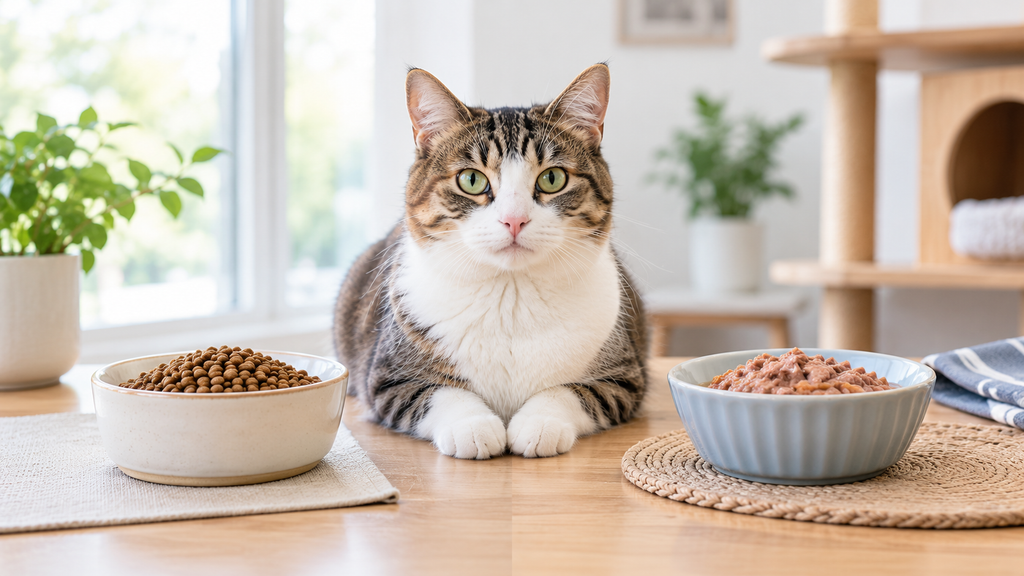
Hydrolyzed-protein cat food
Hydrolysis breaks proteins into smaller fragments. These smaller protein fragments are less likely to trigger an immune response in some cats.
Prescription veterinary formulas are designed for specific clinical purposes. They may also provide tighter ingredient and manufacturing controls than some regular over-the-counter foods.
The exact degree of hydrolysis and the rest of the recipe vary by product. Your veterinarian should choose the formula based on your cat’s individual needs.
Novel-protein cat food
A novel-protein diet uses a protein your cat has not eaten before.
“Novel” is specific to the individual cat. It is not simply a synonym for an exotic protein.
For example, if your cat has eaten rabbit before, rabbit is not novel for that cat.
Your cat’s food history should include:
- Previous cat foods
- Treats
- Food toppers
- Table food
- Supplements
- Chews
- Flavored medications
Novel-protein diets can be useful when your cat’s diet history is reliable and the selected protein is genuinely new. Your veterinarian should help choose the protein.
Are limited-ingredient or grain-free foods good for allergies?
Not necessarily.
A limited-ingredient label or “grain-free” claim does not automatically make a food appropriate for diagnosing a food allergy.
Some over-the-counter foods may contain additional ingredients or unintended protein exposure. That can make a strict elimination trial harder to interpret.
Grain-free does not mean hydrolyzed, prescription, or hypoallergenic.
After a veterinarian identifies a food trigger, a non-prescription food that avoids that ingredient may be appropriate for some cats. The decision still depends on the cat and the complete product label.
How to choose cat food for allergies
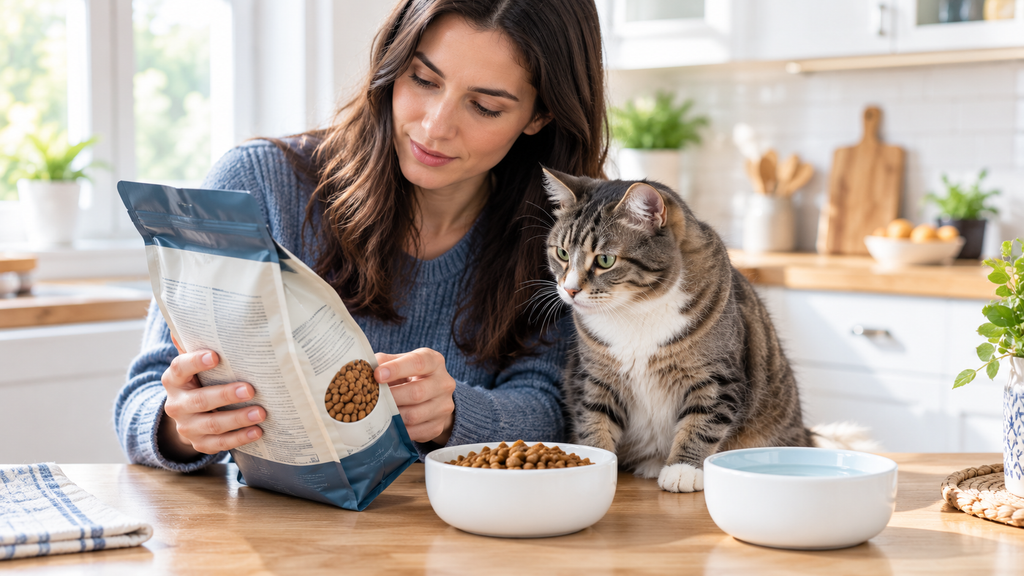
Before buying a new food, ask your veterinarian these questions:
Finding the best cat food for allergies starts with identifying whether food is actually causing your cat’s symptoms.
1. Is a food allergy likely?
Could fleas, infection, environmental allergies, parasites, or another condition explain the symptoms?
2. What has my cat eaten before?
Include foods from before adoption, treats, toppers, table scraps, supplements, chews, and flavored medicines.
3. Which diet should we use?
Ask whether a hydrolyzed-protein diet, novel-protein diet, or another veterinary diet is appropriate.
4. Is the food complete and appropriate?
Kittens, pregnant or nursing cats, and cats with other health conditions may need a different nutritional plan.
5. How long should the food trial last?
Ask your veterinarian to set the trial period and follow-up date before you start.
6. Can my cat have treats?
Do not assume a treat is safe just because it contains the same headline protein as the trial food.
7. How will we measure improvement?
Track scratching, skin changes, ear problems, stool, vomiting, appetite, and accidental food exposure.
If your cat refuses the chosen food, loses weight, or develops new symptoms, contact your veterinarian. Do not add other foods to the trial without advice.
How to do an elimination diet trial correctly
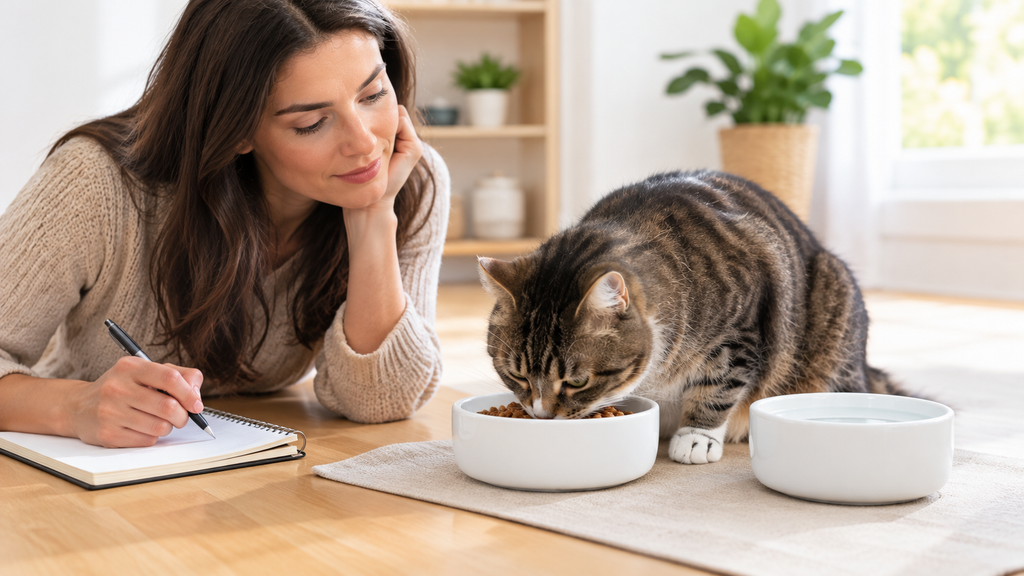
An elimination diet is not simply switching to a “sensitive stomach” food for a few days.
This process can help your veterinarian determine which diet may be the best cat food for allergies for your individual cat.
Your veterinarian should select the diet and determine how long the trial should continue. Many veterinary protocols use several weeks of exclusive feeding. Some recommendations call for at least eight weeks, while other veterinary protocols may use a 6–10-week period.
Follow the timeframe your veterinarian gives you.
During the food allergy trial
- Feed the selected diet exclusively, as instructed by your vet.
- Avoid treats and table food unless your vet approves them.
- Avoid other pets’ food.
- Avoid dental chews and flavored supplements unless approved.
- Ask about flavored or chewable medications.
- Do not stop prescribed medication on your own.
- Keep a simple symptom and food-exposure diary.
- Keep your scheduled veterinary follow-up.
Even a small amount of another food can make the results harder to interpret.
If your cat’s symptoms improve, your veterinarian may recommend reintroducing the previous food or a specific ingredient in a controlled challenge.
A return of symptoms can help confirm a food trigger. Do not perform a food challenge without your veterinarian’s instructions.
Wet vs. dry cat food for allergies
Wet versus dry food is usually not the first decision during a food allergy investigation.
The main priority is choosing a formula that fits the diagnostic plan and provides appropriate nutrition.
When choosing the best cat food for allergies, the main priority should be the diet that fits your cat’s diagnostic plan and nutritional needs.
Some veterinary diets are available in multiple formats, while others may only come in one form. If your cat refuses dry food, ask your veterinarian whether a compatible wet option is available.
Do not add toppers or combine foods during a strict elimination trial unless your veterinarian approves them.
Signs that your cat needs a veterinarian
Arrange a veterinary visit if your cat has:
- Persistent scratching
- Recurring ear or skin problems
- Repeated vomiting
- Repeated diarrhea
- Unexplained weight changes
- Ongoing digestive problems
Seek prompt veterinary care for:
- Breathing difficulty
- Facial swelling
- Repeated vomiting
- Blood in the stool
- Severe lethargy
- Refusal to eat
A food trial should never delay care when a cat is acutely unwell.
Frequently asked questions
What is the best hypoallergenic cat food?
There is no single best hypoallergenic cat food for every cat.
A veterinarian may recommend a hydrolyzed-protein or novel-protein diet based on your cat’s food history, symptoms, age, and other health conditions.
A food that works for one cat may not be appropriate for another.
Is prescription cat food better than over-the-counter food?
For a diagnostic elimination trial, veterinary diets are often preferred because ingredient control and unintended protein exposure matter.
An over-the-counter limited-ingredient food may be appropriate for some cats after diagnosis, but its label alone does not prove that it is suitable for an elimination trial.
How long does a cat food allergy trial take?
Many food trials last around 6–10 weeks, while some veterinary recommendations call for at least eight weeks.
The exact timeframe depends on your veterinarian’s protocol and your cat’s symptoms. Skin symptoms can also take longer to improve than some digestive symptoms.
Your veterinarian should decide how long the trial should continue and whether a food challenge is needed.
Can I give treats during an elimination diet?
Only if your veterinarian approves them for your cat’s specific trial.
Treats, flavored medications, supplements, dental products, and table scraps may contain proteins that interfere with the results.
Is grain-free cat food good for food allergies?
Not necessarily.
Grain-free does not mean hypoallergenic, hydrolyzed, or limited to one protein.
A grain-free food may still contain proteins your cat has eaten before or may react to.
Can a blood or saliva test identify my cat’s food allergy?
Blood, saliva, and hair tests should not be relied on as stand-alone tests to diagnose a food allergy.
A veterinarian-supervised elimination-and-challenge trial is commonly used to investigate a suspected food reaction.
The bottom line
The best cat food for allergies is not necessarily the food with the most convincing “hypoallergenic” label.
The right choice depends on your cat’s medical history, previous food exposure, symptoms, and a properly planned veterinary diet trial.
Ask your veterinarian whether a hydrolyzed-protein or genuinely novel-protein diet is appropriate. Follow the feeding instructions carefully, and keep treats, table food, and flavored products out of the trial unless your vet approves them.
A structured food trial is a safer and more useful approach than repeatedly switching foods without confirming the cause.

Pingback: Best Senior Cat Food: How to Choose the Right Food for Your Aging Cat
Pingback: Dog Behavior Change After Vaccination: 7 Warning Signs