A dog behavior change after vaccination can worry any owner. Your dog may seem tired, eat less, avoid being touched near the injection site, or simply act unlike themselves for a short time. Mild, temporary effects can happen after vaccination, but not every change should automatically be dismissed as normal—and a change that occurs after a vaccine is not necessarily caused by it.
The practical approach is to note what changed, when it started, and whether it is improving. This guide explains common short-term effects, how long to monitor them, and which signs need prompt veterinary attention. It cannot diagnose your dog, so contact your veterinarian if you are unsure or your dog seems seriously unwell.
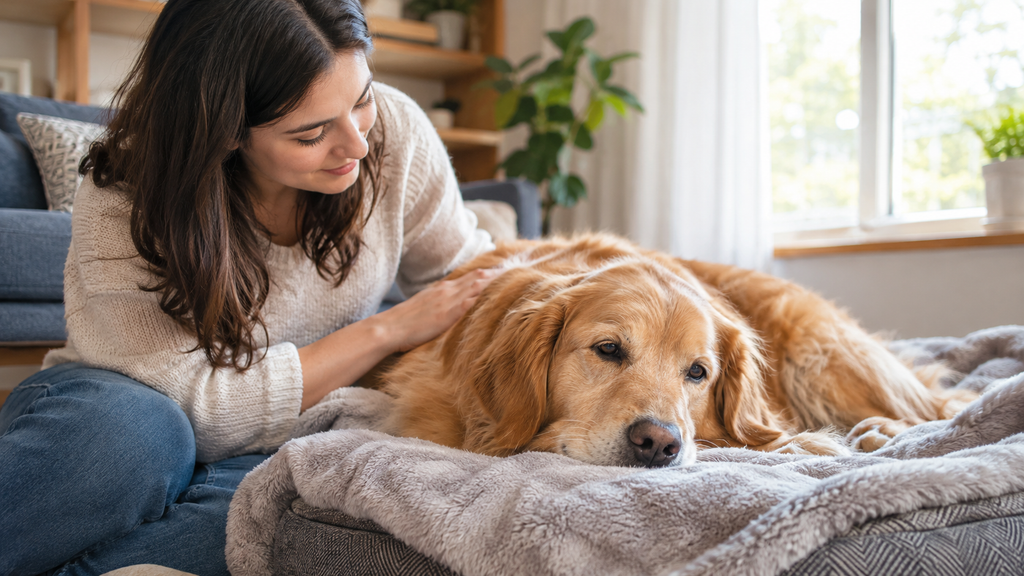
What Behavior Changes Can Happen After a Dog’s Vaccines?
Table of Contents
A dog behavior change after vaccination can include temporary tiredness, reduced appetite, tenderness near the injection site, or stress after a veterinary visit. These signs are often mild, but owners should monitor their dogs and watch for symptoms that are severe, worsening, or unusual.
Some dogs have mild, short-lived effects as their body responds to a vaccine or recovers from the appointment. You may notice:
- Lower energy: Your dog may rest more or be less playful for a while.
- Reduced appetite: A meal may be less appealing than usual.
- Tenderness near the injection site: Your dog may flinch when touched, move carefully, or resist pressure near the area.
- Mild fever or generally seeming “off”: This may accompany temporary tiredness or discomfort.
- Stress-related behavior: Some dogs are unsettled after travel, handling, or an unfamiliar clinic visit. They may seek reassurance, hide, or be quieter than usual.
These observations are not interchangeable. A dog resting more but breathing normally and responding to you is different from a dog that collapses, struggles to breathe, or cannot be roused. Look at the whole picture, including your dog’s responsiveness, breathing, comfort, water intake, and whether symptoms are getting better or worse.
Read the Change in Context
Compare your dog with their usual routine. A quiet afternoon after a stressful clinic visit is not the same as sudden weakness, disorientation, or a rapid decline. Notice whether your dog responds to your voice, can stand and walk as usual, drinks water, and settles comfortably.
Do not press repeatedly on a sore injection site to “test” it; a gentle visual check is enough. If you are unsure whether a sign is mild, call the clinic that gave the vaccine and describe what you see. The veterinary team knows which products were administered and can give advice tailored to your dog.
Owners of puppies, senior dogs, or dogs with ongoing medical problems should mention those details when seeking guidance, as individual health history can affect the clinic’s recommendations.
Avoid assuming that a behavior is harmless just because it appears soon after vaccination. Equally, avoid concluding that the vaccine caused a symptom based only on timing. A clear description of what changed, when it started, and whether it is improving helps the veterinarian decide on the safest next step.
How Long Can a Dog Act Differently After Vaccination?
Mild changes in behavior after vaccination often improve within about 24 hours. If your dog is not improving, seems very uncomfortable, or develops additional symptoms, contact your veterinarian for advice.
Mild effects usually begin within hours and improve within about a day. The American Veterinary Medical Association (AVMA) says common minor effects generally resolve on their own within 24 hours. It advises contacting a veterinarian if they last more than a day or two or your pet seems extremely uncomfortable. VCA Animal Hospitals recommends notifying your veterinarian if signs last more than 24 hours or your pet appears very uncomfortable.
As a cautious rule, contact your veterinary clinic if mild signs are not improving by the next day, continue beyond 24–48 hours, or become more than mild at any point. Your veterinarian can advise you based on your dog’s age, health, vaccine type, and medical history. Do not wait for a time limit if an emergency sign appears.
After certain vaccines given into the nose, mild sneezing, coughing, or nasal discharge can occur. The AVMA notes that respiratory signs may appear 2–5 days after an intranasal vaccine, while VCA describes a 2–4 day window. If your dog received a nasal vaccine, ask the clinic what to expect and call if symptoms are severe, worsening, or concerning.
A small, firm bump can form at an injection site. The AVMA and VCA advise monitoring it as it should begin to shrink. Contact your veterinarian if it grows, becomes painful, or remains for more than three weeks. Do not squeeze or treat a lump without veterinary advice.
When Is a Behavior Change an Emergency?
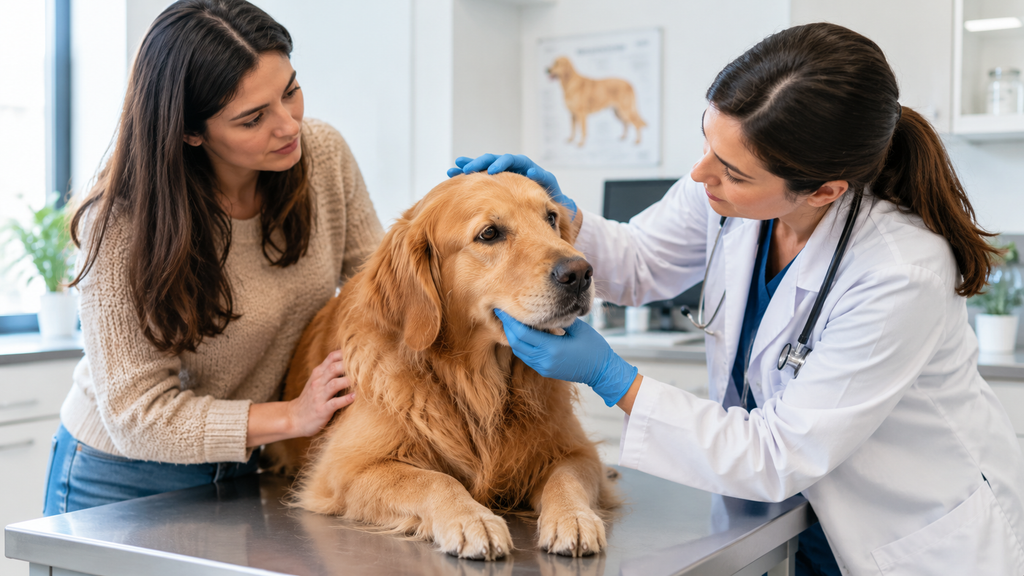
Although serious reactions are uncommon, facial swelling, difficulty breathing, collapse, or other severe symptoms require immediate veterinary attention. Do not wait for mild symptoms to resolve if an emergency sign appears.
Rare but serious allergic reactions can occur within minutes to hours after vaccination. Seek emergency veterinary care immediately if your dog develops any of these signs:
- Difficulty breathing or severe, persistent coughing
- Swelling or puffiness around the face, muzzle, eyes, or neck
- Hives or widespread, itchy, raised bumps
- Collapse or fainting
- Persistent vomiting or diarrhea
These are not ordinary signs of tiredness. Call your veterinary clinic or an emergency veterinary hospital while arranging care, and tell them which vaccine was given and when. Do not try to manage breathing problems, facial swelling, collapse, or repeated vomiting at home.
Contact your veterinarian promptly for other severe, rapidly worsening, or unusual changes, even if they are not on this list. A veterinarian can help determine whether your dog needs an examination or emergency assessment.
Is the Vaccine Definitely Causing the Change?
Not necessarily. The timing makes a vaccine reaction one possibility, but it does not prove causation. Your dog may be responding to injection-site soreness, the stress of the visit, travel, another health issue, or a combination of factors.
The safest approach is not to diagnose the cause based on timing alone. Tell your veterinarian about the exact behavior, when it began, whether it is changing, and any other symptoms. Mention the vaccine names if you know them and whether your dog has reacted to a vaccine or medication before. This information is more useful than simply saying your dog “seems weird.”
What Should You Do at Home After Vaccination?
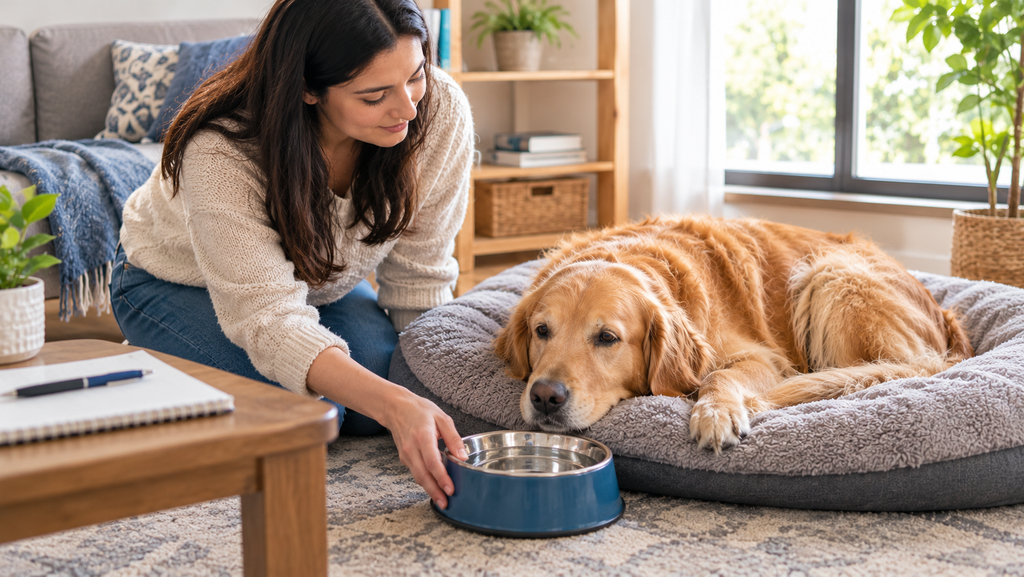
Let your dog rest, provide fresh water, and monitor their appetite, energy, and comfort. Do not give medication unless your veterinarian specifically recommends it. If you are concerned about a dog behavior change after vaccination, contact the veterinary clinic that administered the vaccine.
For mild signs only, keep your dog comfortable and observe them. Let your dog rest, provide access to fresh water, and offer their usual food without forcing them to eat. Avoid intense exercise if your dog is tired or sore. Check the injection area gently, but do not repeatedly press it.
Keep a brief note of the vaccination time, when each sign began, your dog’s appetite and water intake, energy level, and whether symptoms are improving. If you call the clinic, these details can help the veterinary team assess your concerns.
Do not give human painkillers, antihistamines, or other medication unless your veterinarian specifically tells you to. A medicine or dose that is safe for a person may be unsafe for a dog, and appropriate treatment depends on the symptoms and the individual animal.
What If Your Dog Has Reacted to a Previous Vaccine?
Tell your veterinarian before the next vaccination and make sure the reaction is recorded in your dog’s medical history. Describe what happened, how soon it started, and what treatment was needed.
Do not skip, delay, or change future vaccines on your own. Your veterinarian can review your dog’s health and exposure risks and discuss an individualized plan. The American Animal Hospital Association (AAHA) vaccination guidelines describe strategies veterinary teams may consider for dogs with previous reactions, including adjusting the number of vaccines given at one visit when appropriate.
Frequently Asked Questions
Is It Normal for a Dog to Be Tired After Shots?
Mild tiredness can occur after vaccination. Monitor your dog and contact your veterinarian if the tiredness is severe, worsening, persists beyond about 24 hours, or comes with other concerning symptoms. Breathing difficulty, facial swelling, collapse, or persistent vomiting or diarrhea requires emergency veterinary care.
Why Is My Dog Not Eating After Vaccination?
A temporary decrease in appetite can occur after vaccination. Keep fresh water available and monitor your dog. Contact your veterinarian if your dog’s appetite does not return within a day or two, they will not drink, they seem very unwell, or they develop other symptoms. Puppies and dogs with existing health conditions may need individualized advice sooner.
Can a Dog Become Anxious or Act Strange After a Vet Visit?
A visit can be stressful for some dogs, and soreness may also affect how they move or respond to touch. Give your dog a quiet place to rest and watch for improvement. If the behavior is intense, unusual, or does not improve, ask your veterinarian rather than assuming it is only stress.
Should I Cancel My Dog’s Next Vaccine Because of a Mild Reaction?
Do not make that decision without consulting your veterinarian. Report what happened before the next appointment. Your vet can weigh your dog’s health and disease-exposure risks and recommend an appropriate vaccination plan.
The Bottom Line
A dog that is mildly tired, less hungry, or a little sore after vaccination may need rest and observation. The signs should improve rather than worsen. Call your veterinarian when mild symptoms persist or your dog is very uncomfortable, and seek emergency care for breathing trouble, facial swelling, collapse, hives, or persistent vomiting or diarrhea.
When in doubt, describe the symptoms and their timing to your veterinary clinic and follow its advice.